
Slow Travel: What It Is and How to Start
Most people rush through a country in a week and call it travel. I used to do the same — until I spent a month in one neighbourhood in Bangkok and realised I’d learned more about a culture in 30 days than in 30 previous trips combined. That’s the essence of slow travel: fewer destinations, deeper experiences, and the radical act of actually living somewhere instead of just photographing it. If you’ve been feeling exhausted by packed itineraries and Instagram-optimised highlight reels, this guide is for you.
What Is Slow Travel, Exactly?
Slow travel is a mindset, not a schedule. It means choosing depth over breadth — spending more time in fewer places so you can eat where the locals eat, learn a handful of words in the local language, and stumble upon things that never make it onto a guidebook. The irony? Slow travel is one of the most energising ways to travel I’ve ever found.
We’re burnt out. Life has never moved faster, and the last thing most of us need is a holiday that feels like a second job.
Slow Travel vs Regular Travel: What’s the Difference?
| Regular Travel | Slow Travel | |
|---|---|---|
| Duration per destination | 2–4 days | 1–4+ weeks |
| Pace | Rushed, itinerary-led | Flexible, curiosity-led |
| Accommodation | Hotels, switching often | Apartments, guesthouses, longer stays |
| Transport | Mostly flights | Train, bus, bike, walking |
| Food | Tourist restaurants | Local markets, neighbourhood spots |
| Cost | Often higher | Usually lower per day |
How to Start Slow Travelling (Even If You Only Have 2 Weeks)
You don’t need to quit your job or travel for a year. Slow travel is a spectrum, and you can start wherever you are.
1. Pick one destination instead of three. Resist the urge to tick off five cities in ten days. Choose one place and commit to understanding it properly.
2. Book accommodation in a residential neighbourhood. Stay somewhere locals actually live — not the tourist centre. A flat in a side street will teach you more than a hotel on the main square ever will.
3. Ditch the must-see list for the first 48 hours. Walk without a plan. Eat wherever looks busy with locals. Let the place reveal itself before you start consuming it.
4. Use slower transport whenever possible. Train journeys across Europe, local buses, hired bikes — these aren’t just more sustainable, they’re genuinely more interesting. Some of my best travel memories are from train platforms, not airport lounges.
5. Learn five words in the local language. Please, thank you, delicious, excuse me, one coffee. That’s it. The response you get from locals changes entirely.
6. Stay long enough to become a regular somewhere. The café where they know your order. The market stall you go back to twice. This is slow travel gold — and it usually takes at least five days to happen.
Some of the Best Destinations for Slow Travel (From My Own Experience)
Slow travel works everywhere, but some destinations are especially suited to it. Based on my own travels across 50+ destinations, here are the ones that reward the slower approach most:
Portugal — Particularly the Alentejo region. Cheap, beautiful, deeply local, and almost entirely skipped by mass tourism.
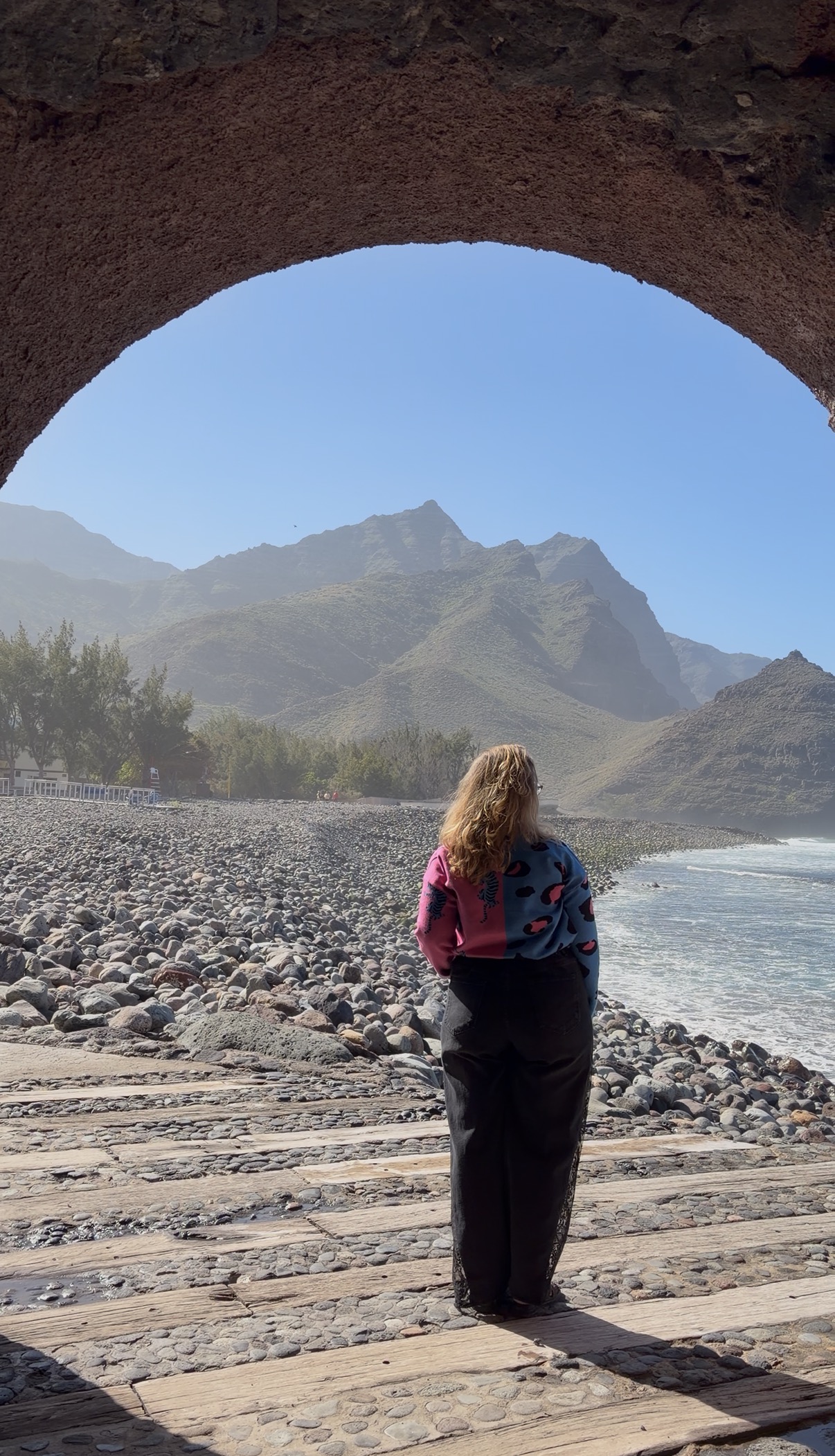
Gran Canaria — Often dismissed as a beach holiday, but the interior is completely different. I recently spent time exploring the north and south and found volcanic landscapes, local wine culture, and villages that felt untouched.
Montenegro — Tivat and Kotor are perfect for slow travel: compact, walkable, cheap, and full of genuine hospitality.
Thailand — Living in Nonthaburi, just outside Bangkok, showed me a side of Thailand that the Khao San Road crowd never sees.
Is Slow Travel More Sustainable?
Yes — meaningfully so. Fewer flights is the single biggest thing any traveller can do for their carbon footprint. Spending money in local restaurants, markets, and family-run guesthouses also keeps tourism income in the community rather than in the pockets of international hotel chains.
It’s not about perfection. I still fly. But slow travel naturally reduces the number of flights you take, and that matters.
Frequently Asked Questions About Slow Travel
What is slow travel in simple terms? Slow travel means staying longer in fewer places so you can experience a destination deeply — eating locally, meeting people, and exploring at your own pace rather than rushing through a checklist.
Is slow travel cheaper? Usually, yes. Longer stays unlock better accommodation rates, you cook more often, and you waste less money on rushed tourist experiences. The biggest saving is often on internal flights you no longer need.
Can you slow travel with limited holiday time? Absolutely. Even choosing one city instead of three for a two-week trip counts as slow travel. It’s a mindset more than a minimum time requirement.
What’s the difference between slow travel and a long holiday? A long holiday can still be rushed and itinerary-packed. Slow travel is specifically about the intention — staying present, connecting with a place, and resisting the urge to maximise sights per day.
Is slow travel suitable for solo travellers? It’s arguably best suited for solo travel. You move at your own pace, connect more easily with locals and other travellers, and have the freedom to stay somewhere longer if you fall in love with it.
Final Thoughts: Why I’ll Never Go Back to Rushing
I’ve now slow travelled through parts of Europe, Southeast Asia, South America, and the Caribbean — and the trips I remember most vividly are never the ones where I saw the most things. They’re the ones where I stayed long enough for something unexpected to happen.
The dinner invitation from a stranger. The local festival nobody mentioned in any travel blog. The friendship that started at a neighbourhood café.
That’s what slow travel gives you. And once you’ve had it, rushing feels like a very poor substitute.
Ready to plan your first slow travel trip? Browse my destination guides below, or email me directly or check my social media platforms: IG, TT, YT — I’m always happy to help you figure out where to go and how long to stay.
0 Comments